11WRITING / PHOTOGRAPHY
THE NOGUCHI MUSEUM
NEW YORK / 2018 + 2026
WRITING + PHOTOGRAPHY
THE NOGUCHI MUSEUM — MAY 13, 2018
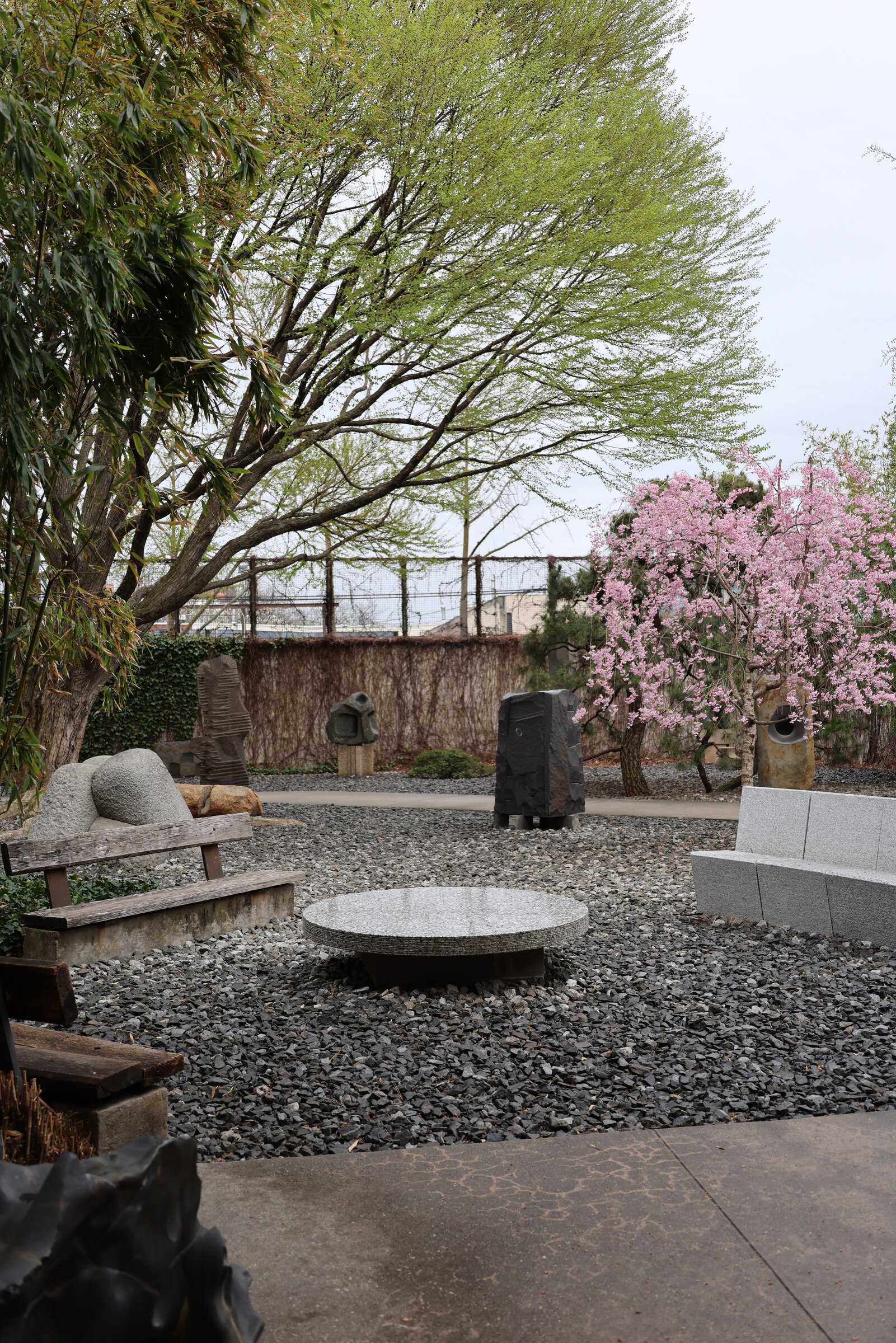
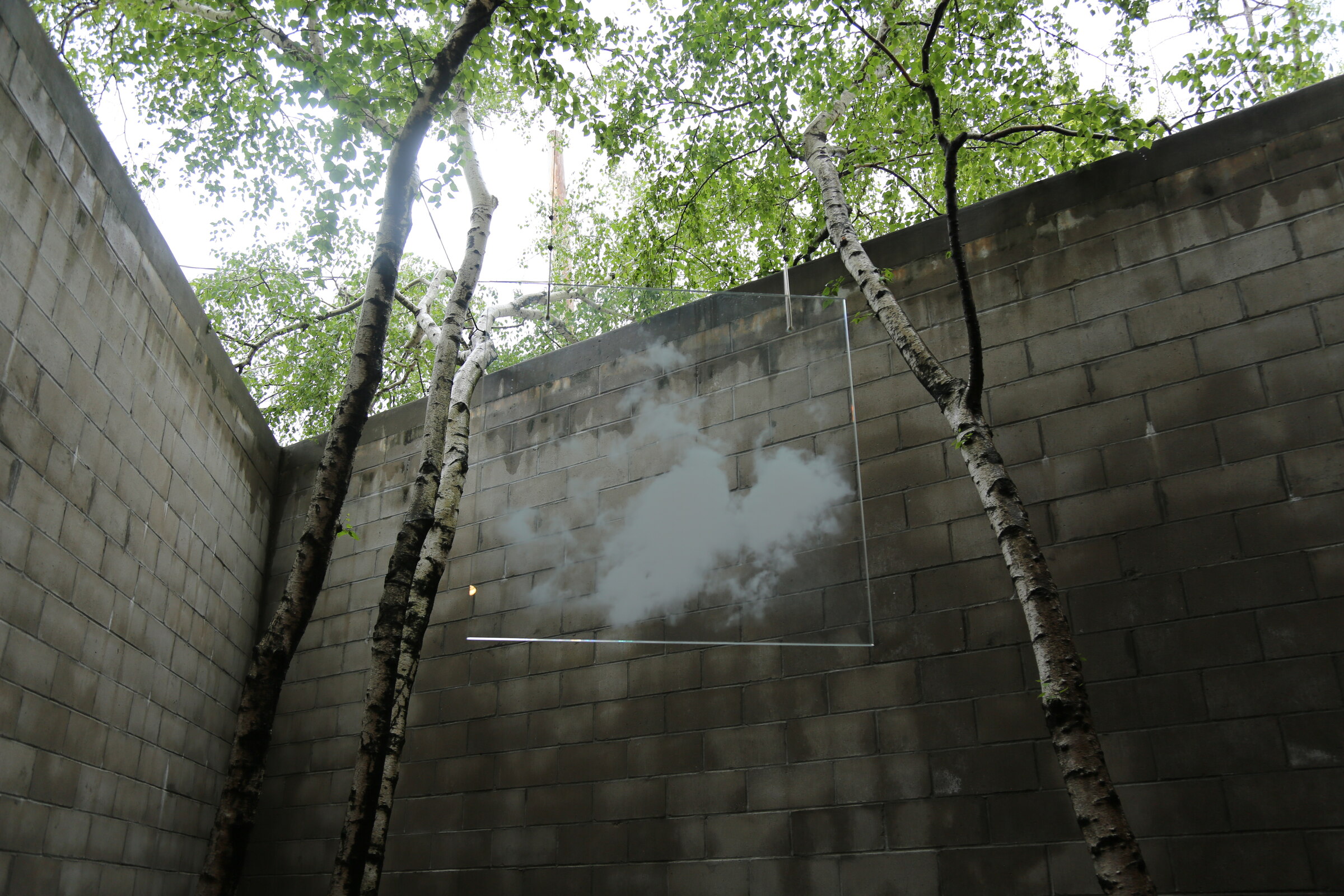
I could feel the flush of excitement reach my cheeks, rising first in my chest with an eager breath upon entering the Noguchi Museum in Long Island City. I love it already: it’s indoor-outdoor appeal to sculpture, its ease. I am miraculously transported.
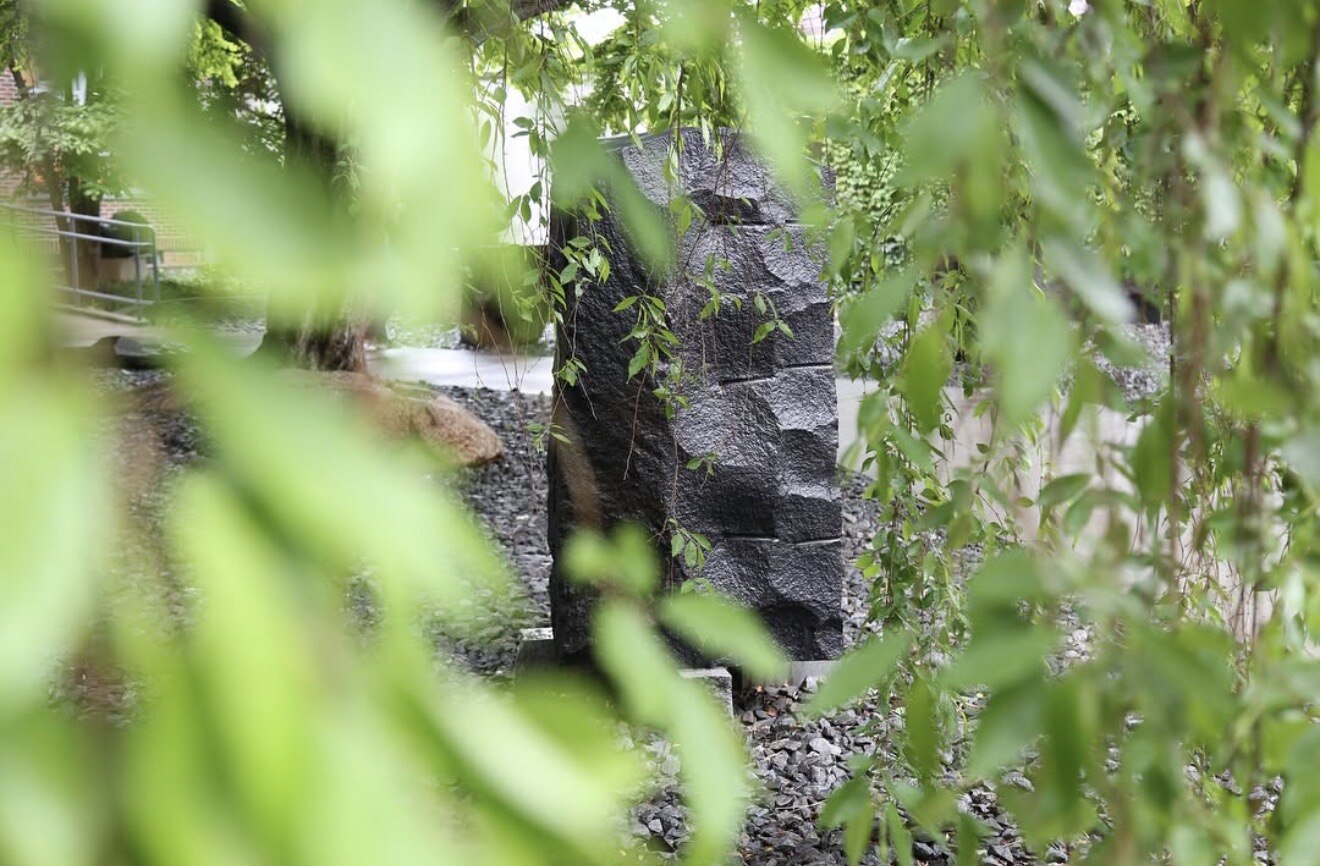
It seemed almost as if it had been waiting for me, watching, in a glimpse here or there, for a moment to come alive if it so chose to. That one stone so moved me, I could feel that it had known I would come to it, sucking at the space between us, and then vanishing once we made eye contact between the branches of a dipping Japanese willow.
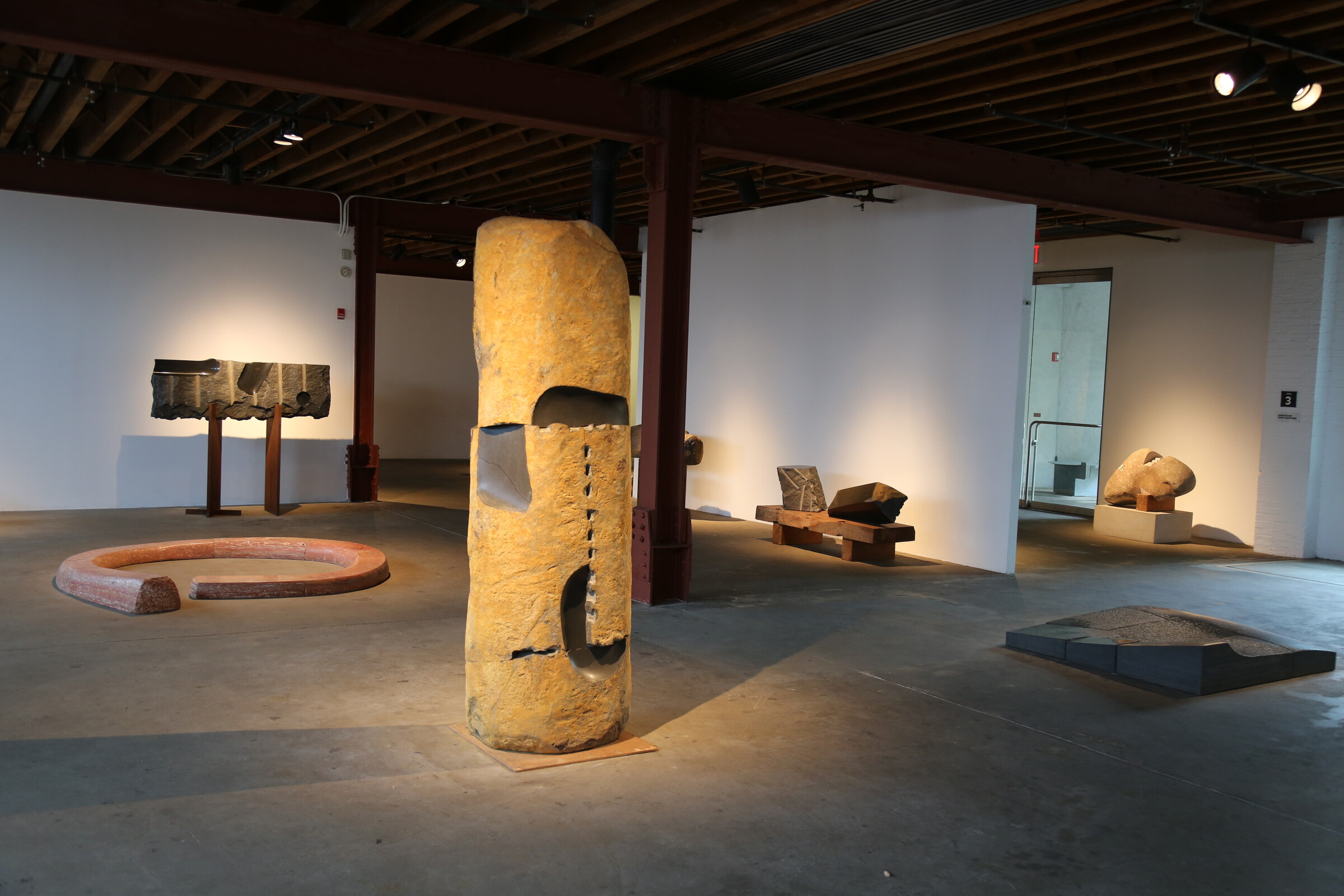
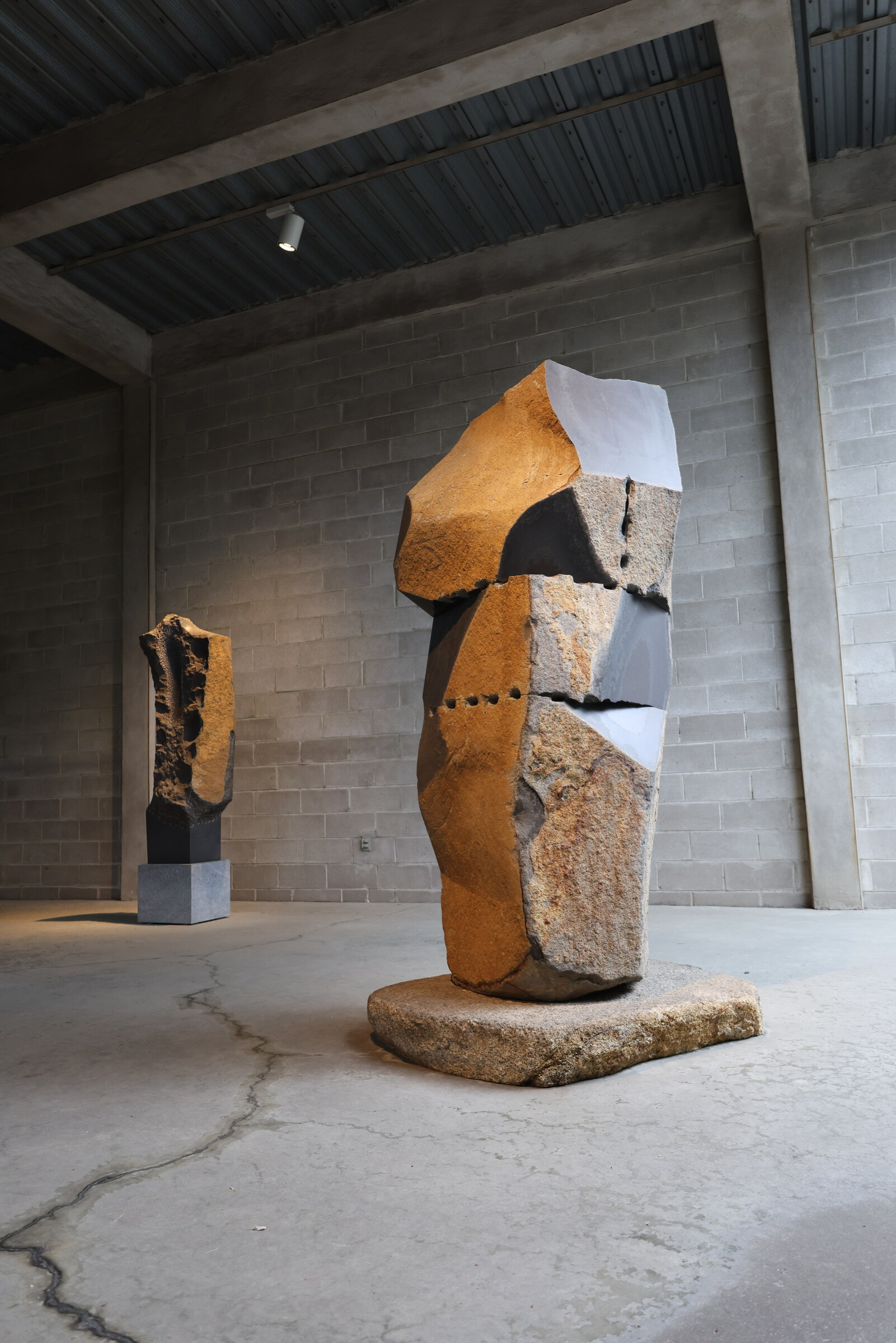
TO BRING TO LIFE — 2018
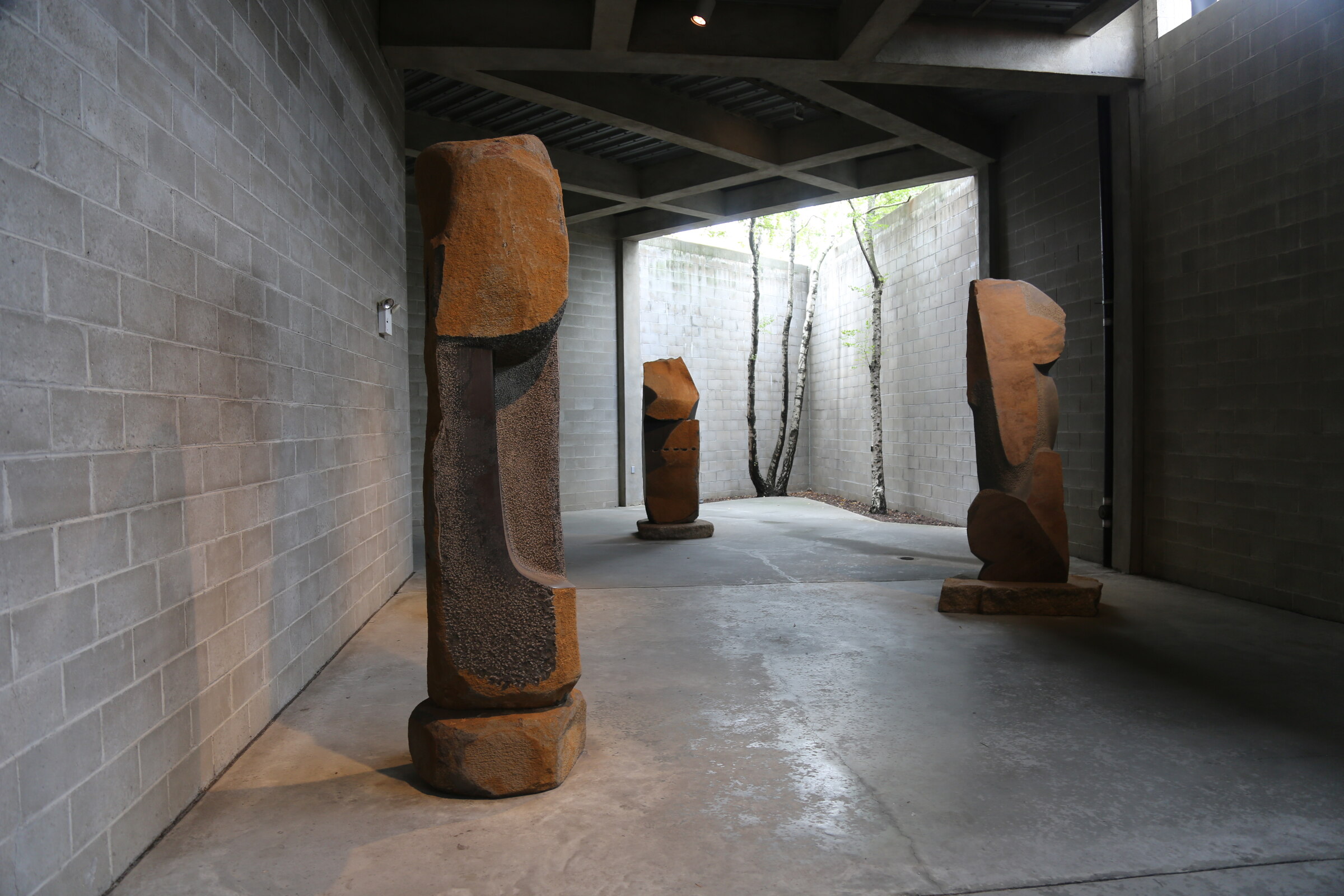
On second glance, Isamu Noguchi’s To Bring to Life is a sculpture about his resistance, the many forms of his battered identity, and, I think, an amalgamation of his American and Japanese heritage, which he juggled throughout his lifetime.
What are the drill marks, made with Noguchi’s beloved power tools, but scars of a war inside and out? No matter where you stand in the room, the sculpture is a looming presence—unavoidable and, at moments, confrontational.
APRIL 4, 2026
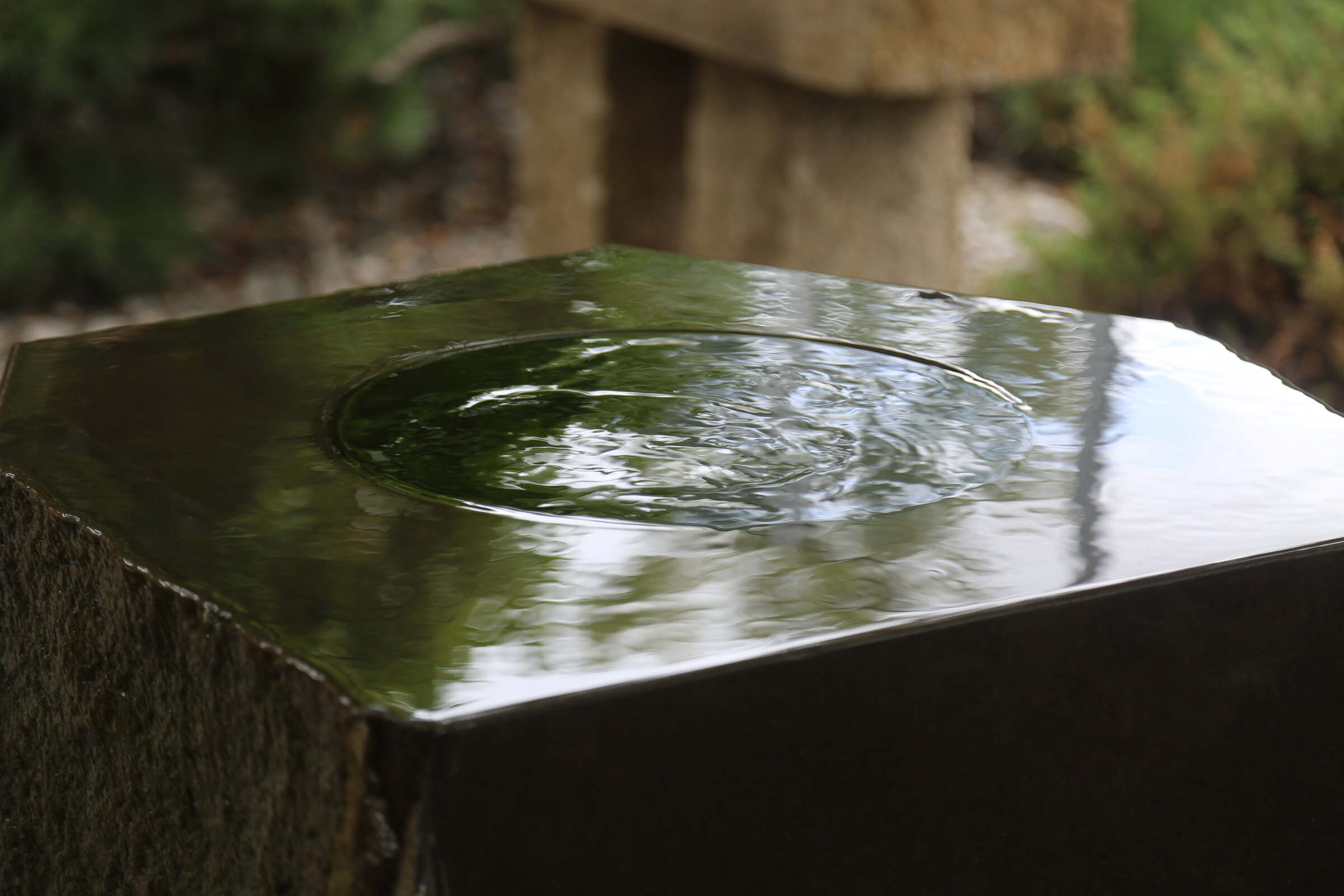
The Noguchi Museum is that quiet respite, a ferry ride away from the burgeoning New York City skyline—imposing more than any skyscraper could through silence. Visitors become acutely aware of themselves with every footstep that echoes in the indoor-outdoor space: a void of beauty and stillness, of simplicity, really, verging on the sublime, where sound becomes a peculiar intrusion into its solitude.
Although traffic has picked up since my last visit two years ago, I still call it a home away from home. But I fear speaking on my nest egg will no longer make it mine. That’s the silly thing about words: they migrate.
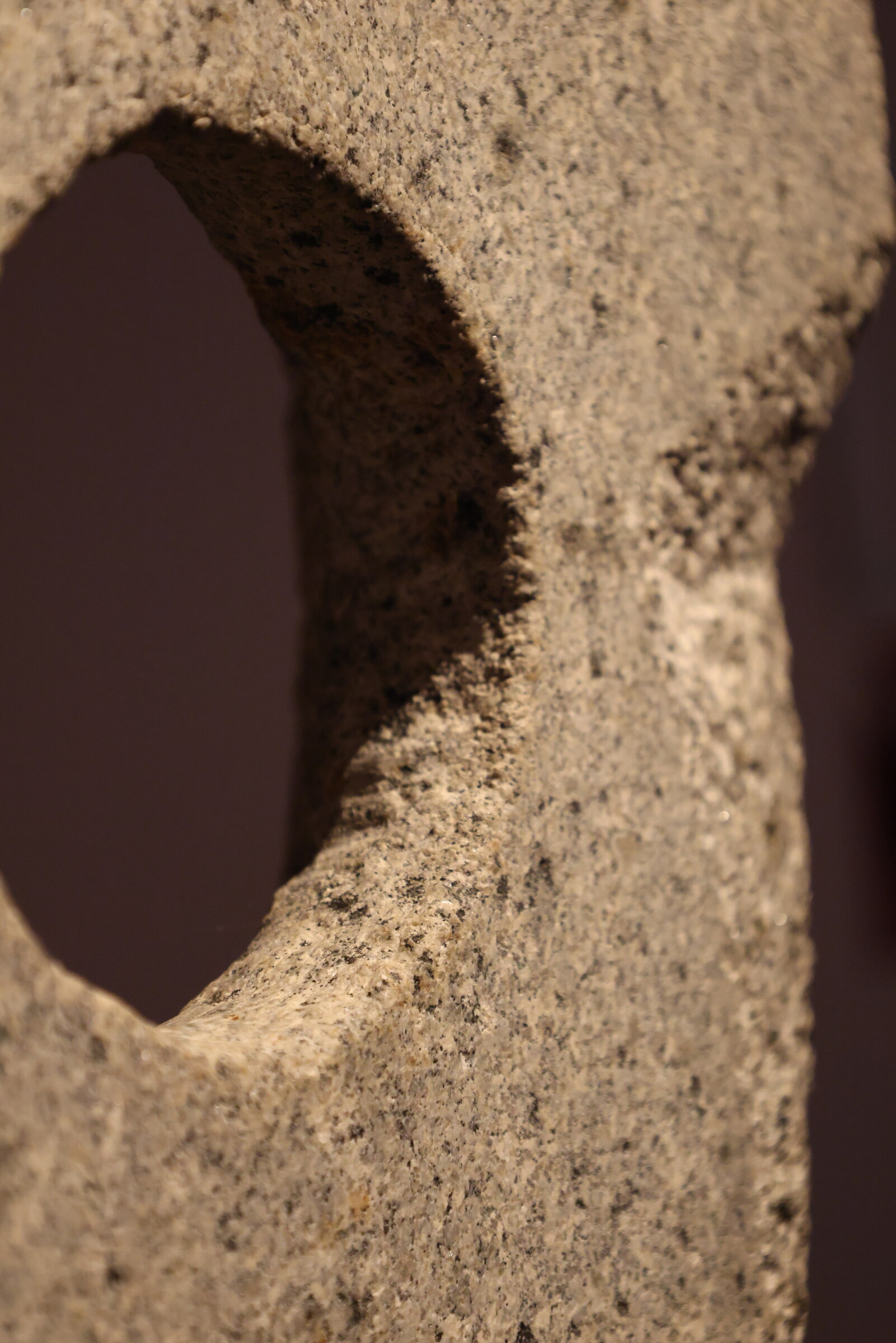
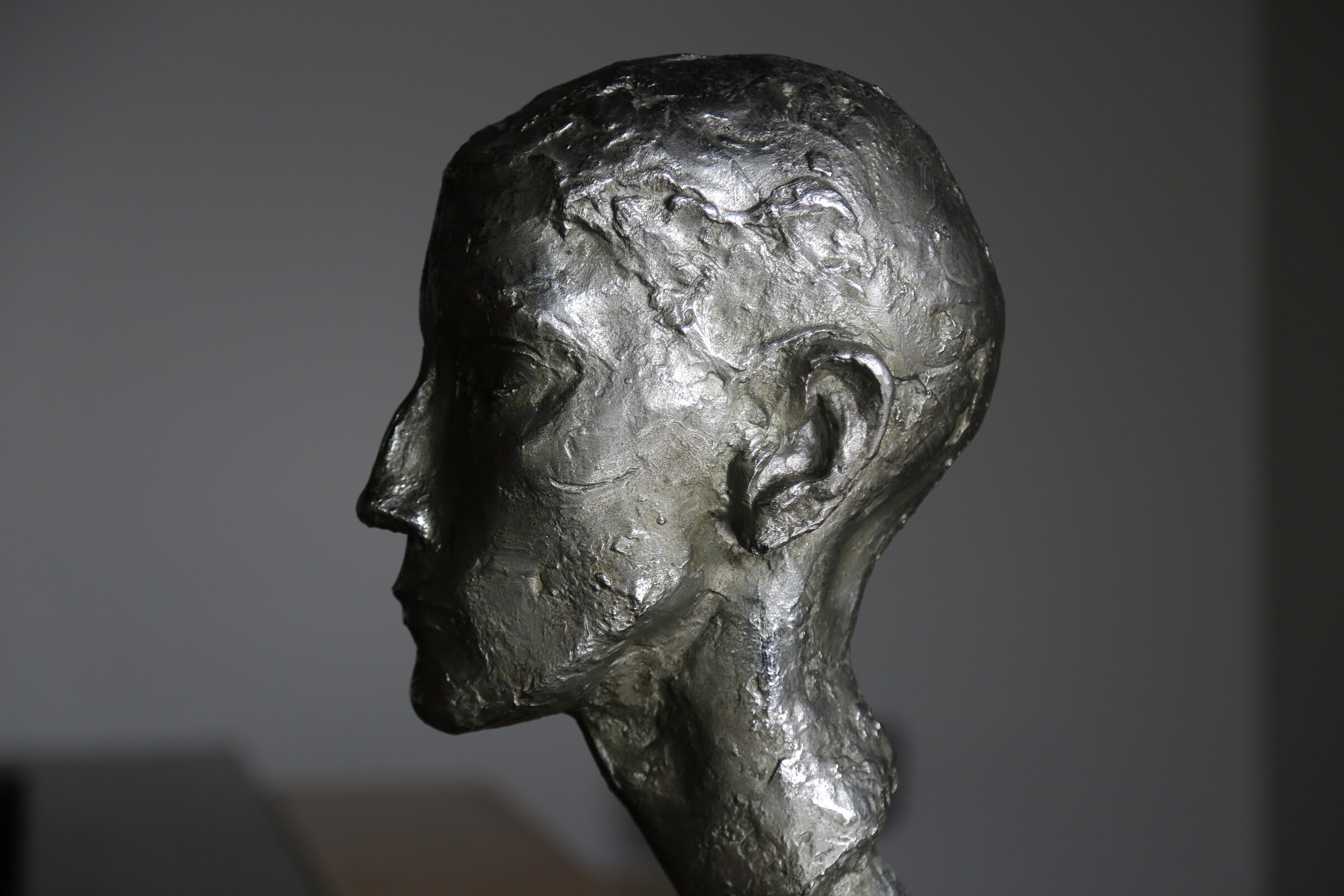
You can get lost here—that’s the invitation—staring into the tiniest of details: a crack in the hard, masculine form of rock that Noguchi carved himself, the places where his canvas meets another base, the shadows cast at varying angles. What might diminish other works of art are the things that make these feel most alive.
And when the shapes, the curves, the pockets, the spaces within spaces all summon the same feeling from my first visit, “I remember” becomes the most powerful thought I have all day.